Navigating the landscape of sleep aids can be overwhelming, with a myriad of options promising a restful night. However, not all supplements are created equal, and their efficacy hinges on scientific evidence and individual needs. For those seeking to improve sleep quality, reduce the time it takes to fall asleep, or achieve more consistent rest, understanding which supplements are supported by research is paramount. This article delves into the evidence-based efficacy of various sleep supplements, exploring their mechanisms of action, potential benefits, and crucial considerations for safe and effective use.
Our approach is grounded in scientific literature, focusing on compounds that have demonstrated measurable effects on sleep parameters in clinical trials and systematic reviews. We aim to provide a clear, objective overview, distinguishing between well-researched options and those with less robust support. By examining the active ingredients, their dosages, and the populations they may benefit, we empower individuals to make informed decisions about incorporating these aids into their wellness routines, always in conjunction with sound sleep hygiene practices.
Melatonin: The Body's Natural Sleep Regulator
Melatonin is a hormone produced by the pineal gland, primarily in response to darkness, signaling to the body that it is time to sleep. Its production is intrinsically linked to the circadian rhythm, the body's internal 24-hour clock. Supplementation aims to mimic or bolster the body's natural melatonin levels, particularly when endogenous production is disrupted or insufficient.
Numerous studies have investigated melatonin's effectiveness, particularly for sleep onset latency. A meta-analysis published in 2022 in Sleep Medicine Reviews, examining data from multiple randomized controlled trials, concluded that melatonin supplementation significantly reduces the time it takes to fall asleep and improves overall sleep quality, especially in individuals with primary insomnia. The review highlighted that doses typically ranging from 0.3 mg to 5 mg were effective, with lower doses often being sufficient to influence the circadian system.
Melatonin is particularly beneficial for circadian rhythm sleep disorders, such as jet lag or shift work disorder, where the body's internal clock is misaligned with external cues. It can also be helpful for individuals experiencing difficulty initiating sleep due to age-related declines in melatonin production or disruptions caused by artificial light exposure at night. However, its effectiveness for improving sleep maintenance (staying asleep) is generally considered less pronounced than its effect on sleep onset.
Magnesium: A Crucial Mineral for Sleep and Relaxation
Magnesium is an essential mineral involved in hundreds of biochemical reactions in the body, including those that regulate neurotransmitters and hormones crucial for sleep. It plays a role in the relaxation response by binding to GABA receptors, the same receptors targeted by many sedative medications, and by regulating the body's stress response system.
Research suggests a strong correlation between magnesium levels and sleep quality. A 2021 systematic review and meta-analysis in the Journal of the American Geriatrics Society found that magnesium supplementation improved sleep quality, reduced insomnia, and decreased sleep onset latency, particularly in older adults who are more prone to magnesium deficiency. The review suggested that optimal doses often fall between 200-400 mg per day.
Different forms of magnesium exist, each with varying bioavailability and effects. Magnesium glycinate, in particular, is often recommended for sleep due to its high absorption rate and the calming properties of glycine, an amino acid that acts as an inhibitory neurotransmitter. While generally safe, individuals with kidney disease or those taking certain medications should consult a healthcare provider before taking magnesium supplements, as high doses can cause diarrhea or interact with some antibiotics and diuretics. This is a key consideration for who should avoid magnesium glycinate.
L-Theanine: Promoting Calmness Without Sedation
L-theanine is an amino acid found primarily in tea leaves, particularly green tea. It is known for its ability to cross the blood-brain barrier and influence brain activity, promoting relaxation and reducing stress without causing drowsiness.
L-theanine's mechanism of action involves increasing alpha brain wave activity, which is associated with a state of relaxed alertness. It also influences neurotransmitters such as GABA, serotonin, and dopamine, all of which play a role in mood regulation and sleep. Studies have indicated that L-theanine can improve sleep quality by reducing anxiety and promoting a state of calm conducive to sleep onset.
A 2019 review in Nutrients highlighted that L-theanine supplementation has shown promise in improving subjective sleep quality and reducing sleep disturbances, especially when combined with other sleep-promoting agents or in individuals experiencing stress-related sleep issues. Typical doses range from 100-400 mg per day. Its non-sedative nature makes it a valuable option for those who wish to improve sleep without experiencing morning grogginess, making it one of the best supplements to get to sleep for many individuals seeking a gentle approach.
Valerian Root: A Traditional Herb with Modern Evidence
Valerian root (Valeriana officinalis) is one of the most widely studied and traditionally used herbal supplements for sleep. Its roots and rhizomes contain compounds, such as valerenic acid, that are believed to interact with GABA receptors in the brain, similar to benzodiazepines, thereby promoting relaxation and reducing anxiety.
Clinical trials have yielded mixed but generally positive results regarding valerian's efficacy for insomnia. A meta-analysis published in the Cochrane Database of Systematic Reviews in 2017 suggested that valerian may improve sleep quality and reduce the time it takes to fall asleep, although the evidence was not consistently strong across all studies due to variations in preparation and dosage. Doses typically range from 300-600 mg of extract taken about an hour before bedtime.
While valerian is generally considered safe for short-term use, some individuals may experience mild side effects such as headache, dizziness, or gastrointestinal upset. It is important to note that the effects of valerian root can be cumulative, meaning it may take several weeks of consistent use to observe significant benefits. Its use should be approached with the understanding that it is a botanical extract with varying potency.
Chamomile, Lemon Balm, and Passionflower: The Calming Trio
Chamomile, lemon balm, and passionflower are three well-known herbs often used individually or in combination to promote relaxation and alleviate mild anxiety, which can indirectly improve sleep. Each herb possesses distinct properties that contribute to their calming effects.
Chamomile (Matricaria recutita) contains apigenin, an antioxidant that may bind to benzodiazepine receptors in the brain, leading to a reduction in anxiety and an induction of sleep. Lemon balm (Melissa officinalis) is thought to increase GABA levels, a neurotransmitter that inhibits nerve activity, promoting calmness. Passionflower (Passiflora incarnata) has also been shown to increase GABA levels and may exert anxiolytic effects.
A study published in 2016 in the Journal of Alternative and Complementary Medicine investigated the effects of a combination of these herbs in individuals with chronic insomnia. The findings indicated significant improvements in sleep quality and reduced sleep onset latency compared to placebo. This synergistic effect suggests that combining these botanicals can be more effective than using them individually for promoting sleep. These are excellent choices for those who want to help themselves sleep without strong sedative effects.
GABA: The Inhibitory Neurotransmitter
Gamma-aminobutyric acid (GABA) is the primary inhibitory neurotransmitter in the central nervous system. Its main function is to reduce neuronal excitability throughout the nervous system, promoting relaxation and calmness, and playing a critical role in sleep regulation.
The use of oral GABA supplements for sleep is based on the premise that increasing GABA levels in the brain will enhance its inhibitory effects. However, the scientific evidence supporting the efficacy of oral GABA supplementation for sleep is somewhat controversial. While GABA is crucial for sleep, its ability to effectively cross the blood-brain barrier when taken orally is a subject of ongoing debate and research. Some studies suggest that oral GABA may have some effect on the autonomic nervous system and stress reduction, which could indirectly aid sleep.
A 2017 study in the Journal of Sleep Research found that GABA supplementation, when administered intranasally, significantly reduced sleep onset latency and increased total sleep time in healthy individuals. This suggests that direct delivery to the brain might be more effective. For oral supplementation, doses typically range from 100-750 mg. While it is generally considered safe, more research is needed to definitively establish its efficacy for sleep when taken orally.
5-HTP and Tryptophan: Precursors to Serotonin and Melatonin
5-hydroxytryptophan (5-HTP) and L-tryptophan are amino acids that serve as precursors in the synthesis of serotonin and melatonin. Serotonin is a neurotransmitter involved in mood regulation and sleep, while melatonin is the primary hormone regulating the sleep-wake cycle.
L-tryptophan is an essential amino acid, meaning the body cannot produce it and must obtain it from the diet. It is converted in the body to 5-HTP, which is then converted to serotonin. Serotonin can, in turn, be converted to melatonin. Supplementing with either tryptophan or 5-HTP aims to increase the availability of these neurotransmitters, potentially improving sleep quality and reducing sleep onset latency.
A systematic review published in 2022 in Frontiers in Nutrition indicated that tryptophan supplementation can have positive effects on sleep, potentially by increasing serotonin and melatonin levels. Doses for tryptophan typically range from 500 mg to 2 g, while 5-HTP doses are usually between 100 mg and 300 mg. It is important to note that 5-HTP can interact with antidepressant medications (SSRIs and MAOIs) and other serotonergic drugs, potentially leading to serotonin syndrome. Individuals taking these medications should avoid 5-HTP or consult their physician. For those on certain blood pressure medications like propranolol, it's crucial to discuss any new supplements with a doctor, as interactions are possible, though direct contraindications with 5-HTP or tryptophan are not common, they are still advisable to check.
Cannabidiol (CBD): A Growing Area of Interest
Cannabidiol (CBD) is a compound derived from the cannabis plant that does not produce psychoactive effects (unlike THC). It has gained significant attention for its potential therapeutic benefits, including anxiety reduction and improved sleep.
CBD's proposed mechanism for improving sleep involves its interaction with the endocannabinoid system, which plays a role in regulating sleep-wake cycles, pain, and mood. By influencing receptors in this system, CBD may help reduce anxiety and pain that can disrupt sleep, thereby promoting relaxation and sleep onset. It may also influence REM sleep and overall sleep architecture.
While research on CBD and sleep is still evolving, preliminary studies and anecdotal evidence suggest it can be effective for some individuals. A 2021 review in Current Psychiatry Reports indicated that CBD may have a biphasic effect on sleep, meaning lower doses might be alerting while higher doses promote sleep and reduce anxiety. Doses can vary widely, from 25 mg to several hundred milligrams per night. It's important to choose high-quality, third-party tested CBD products. Due to its emerging status, more large-scale, placebo-controlled trials are needed to solidify its role as a primary sleep aid.
Frequently Asked Questions About Sleep Supplements
What is the most powerful supplement for sleep?
There isn't a single "most powerful" supplement for sleep that applies to everyone, as individual responses vary greatly. However, based on the breadth and consistency of scientific evidence, melatonin is often considered one of the most impactful for addressing sleep onset latency and circadian rhythm disruptions. For those seeking relaxation without sedation, L-theanine is highly regarded. The "power" of a supplement is also dependent on the underlying cause of sleep disturbance.
What is the best supplement to get to sleep?
For individuals struggling with falling asleep (sleep onset latency), melatonin is frequently recommended due to its role in regulating the sleep-wake cycle. L-theanine is also an excellent choice for promoting calm and facilitating sleep onset without causing drowsiness. For a more traditional approach, valerian root and combinations of herbs like chamomile, lemon balm, and passionflower can be effective for many.
Which supplements should I take for sleep?
The choice of supplements depends on your specific sleep concerns. For difficulty falling asleep, consider melatonin, L-theanine, or herbal blends. If you experience anxiety that interferes with sleep, L-theanine, CBD, or herbal remedies like lemon balm may be beneficial. Magnesium glycinate is a good option for overall relaxation and muscle function, which can support sleep. It's often advisable to start with one supplement and observe its effects before combining multiple options.
What can I take to help me sleep while on propranolol?
Propranolol is a beta-blocker that can sometimes cause sleep disturbances, including insomnia or nightmares, as a side effect. When considering supplements for sleep while on propranolol, it is crucial to consult your healthcare provider. While many natural supplements are generally safe, potential interactions can occur. For instance, while not a direct contraindication, supplements that significantly affect heart rate or blood pressure should be approached with caution. Your doctor can advise on safe options, which might include magnesium, L-theanine, or melatonin, after reviewing your medical history and current medications to ensure no adverse interactions.
Do any sleep supplements actually work?
Yes, several sleep supplements have demonstrated efficacy in scientific studies. Melatonin, magnesium, L-theanine, and certain herbal extracts like valerian root and passionflower have robust evidence supporting their ability to improve sleep quality, reduce sleep onset latency, or promote relaxation. The effectiveness of any supplement can depend on the individual, the dosage, the quality of the product, and the specific sleep issue being addressed. It's important to rely on evidence-based options rather than marketing claims.
Who should avoid magnesium glycinate?
Magnesium glycinate is generally well-tolerated, but certain individuals should exercise caution or avoid it. Those with severe kidney disease or impaired kidney function should avoid magnesium supplements, as their kidneys may not be able to effectively excrete excess magnesium, leading to toxicity. Additionally, individuals experiencing very slow heart rate (bradycardia) should consult their doctor, as magnesium can further slow heart rate. While rare, very high doses of any magnesium supplement can cause diarrhea, which might be a concern for individuals with gastrointestinal sensitivities.
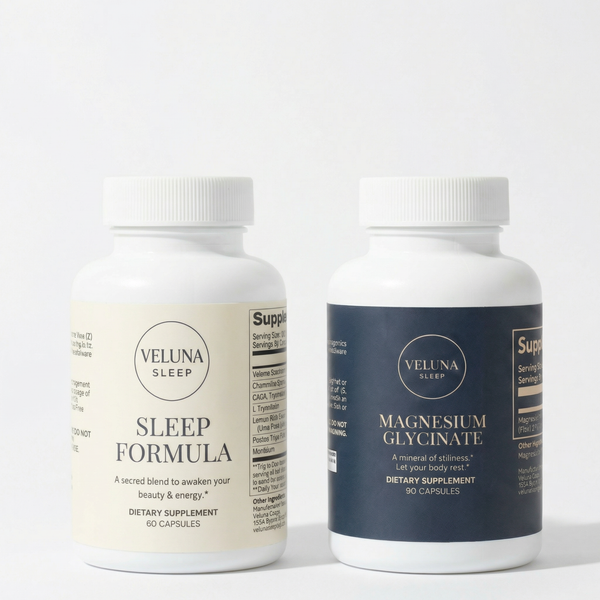
For those looking to enhance their sleep naturally, Veluna's Sleep Formula offers a comprehensive blend of scientifically supported ingredients. If you're seeking targeted support for relaxation and sleep, explore our pure Magnesium Glycinate. To build a foundational sleep routine, our comprehensive Sleep Hygiene Hub provides actionable strategies for improving your sleep environment and habits.
Recommended Veluna products for this topic:
- Veluna Sleep Strips — fast-dissolve melatonin strips.