Key Takeaways
✓ Melatonin supplementation can be effective for chronic insomnia by helping to regulate the sleep-wake cycle (Choi et al., 2022).
✓ Tryptophan, an essential amino acid, plays a role in sleep quality due to its involvement in serotonin and melatonin production (Sutanto et al., 2022).
✓ Maintaining a consistent sleep schedule and optimizing your sleep environment are crucial for addressing sleep-onset insomnia.
Struggling to Fall Asleep? You're Not Alone
Staring at the ceiling, mind racing, counting sheep—these are familiar experiences for many who struggle with sleep-onset insomnia, the inability to fall asleep within a reasonable amount of time. If you find yourself consistently taking longer than 30 minutes to drift off, you might be experiencing this frustrating condition. While lifestyle adjustments are often the first line of defense, certain supplements can also play a supportive role in improving sleep onset latency. Understanding the science behind these supplements can empower you to make informed choices and reclaim restful nights.
This article explores the best supplements backed by research to help you fall asleep faster. We'll delve into how these natural sleep aids work, their ideal dosages, and any potential cautions. We'll also discuss the importance of addressing underlying sleep issues and when to seek professional help. The goal is to provide you with actionable information to improve your sleep quality and overall well-being. Resetting your circadian rhythm may also be a consideration, and you can find more information in The Complete Guide to Circadian Reset.
Remember, supplements are not a magic bullet, but when used strategically and in conjunction with healthy sleep habits, they can be a valuable tool in your quest for better sleep.
Melatonin: The Sleep Regulator
Melatonin is a hormone naturally produced by your pineal gland that plays a crucial role in regulating your sleep-wake cycle. It essentially acts as your body's internal clock, signaling to your brain that it's time to sleep. Supplementing with melatonin can be particularly helpful if your natural melatonin production is disrupted, such as from jet lag, shift work, or certain medical conditions.
Research shows that melatonin can be effective in reducing sleep onset latency—the time it takes to fall asleep. A systematic review and meta-analysis published in Sleep Medicine Reviews found that melatonin supplementation can improve sleep quality for those with chronic insomnia (Choi et al., 2022). The review suggests that melatonin is more effective at improving sleep onset and duration than placebo treatments.
Typically, melatonin supplements are taken 30-60 minutes before bedtime. Dosages usually range from 0.5 mg to 5 mg. It's best to start with a lower dose and gradually increase it if needed, as higher doses don't necessarily equate to better results and can sometimes cause side effects like daytime grogginess. You can find a convenient option in Veluna Sleep Strips, which offer a pre-measured dose of melatonin.
Magnesium: The Relaxation Mineral
Magnesium is an essential mineral involved in hundreds of bodily functions, including muscle relaxation and nerve function. It can also play a role in promoting sleep by helping to calm the nervous system and reduce anxiety, which can often contribute to difficulty falling asleep. Magnesium deficiency has been linked to sleep problems, so ensuring you have adequate levels may improve your sleep quality.
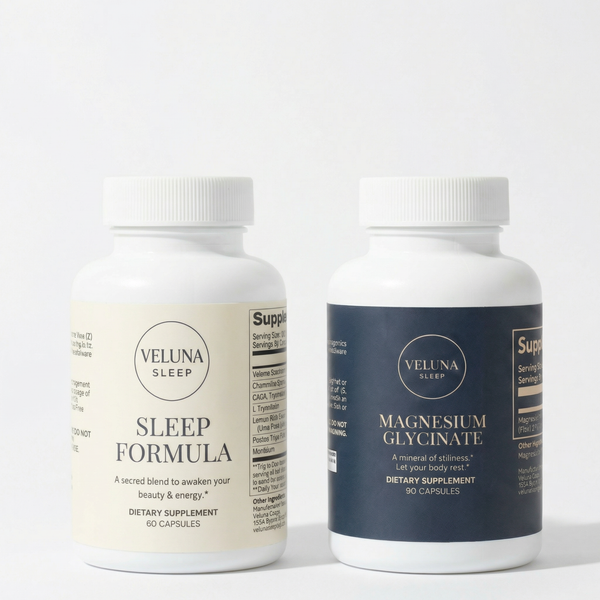
While research on magnesium for sleep is still evolving, some studies suggest that it can be beneficial. Magnesium helps regulate neurotransmitters like GABA (gamma-aminobutyric acid), which promotes relaxation and sleep. By increasing GABA activity, magnesium can help quiet the mind and prepare the body for sleep. Choosing the right form of magnesium is important. Magnesium glycinate, for example, is known for its high bioavailability and gentle effect on the stomach, making it a popular choice for sleep support. You can find a high-quality magnesium glycinate supplement at Veluna Magnesium Glycinate.
The typical dosage of magnesium glycinate for sleep ranges from 200 to 400 mg, taken about an hour before bed. As with any supplement, it's best to start with a lower dose and see how your body responds. Some people may experience digestive upset with higher doses of magnesium, so it's important to find the right balance for your individual needs.
Tryptophan: The Amino Acid Connection
Tryptophan is an essential amino acid that your body uses to produce serotonin and melatonin, both of which are crucial for sleep regulation. Because your body can't produce tryptophan on its own, you must obtain it through your diet or supplementation. While tryptophan is found in many protein-rich foods, supplementing with it can sometimes provide a more targeted approach to improving sleep quality.
A systematic review, meta-analysis, and meta-regression in Nutrition Reviews investigated the impact of tryptophan supplementation on sleep quality (Sutanto et al., 2022). The review found that tryptophan supplementation could improve sleep quality, although the effects may vary depending on individual factors. Tryptophan's role in serotonin production is particularly important, as serotonin not only contributes to feelings of well-being but also serves as a precursor to melatonin.
Typical dosages of tryptophan supplements range from 500 mg to 1 gram, taken about 30-60 minutes before bed. It's often recommended to take tryptophan on an empty stomach to enhance its absorption. While tryptophan is generally considered safe, it's important to talk to your doctor before taking it, especially if you're already taking antidepressants or other medications that affect serotonin levels.
Take our 60-second quiz to discover the science-backed sleep solution matched to your unique needs.
Take the QuizAshwagandha: The Stress Reducer
Ashwagandha is an adaptogenic herb that has been used in traditional Ayurvedic medicine for centuries. It's known for its ability to help the body manage stress, which can be a major contributor to sleep problems. By reducing stress and anxiety, ashwagandha can indirectly improve sleep quality and reduce the time it takes to fall asleep.
A double-blind, randomized, placebo-controlled study published in the Journal of Ethnopharmacology evaluated the impact of ashwagandha root extract on sleep in healthy volunteers and insomnia patients (Langade et al., 2021). The study found that ashwagandha significantly improved sleep parameters, including sleep onset latency, sleep efficiency, and total sleep time. Participants also reported feeling more alert upon waking.
Ashwagandha is available in various forms, including capsules, powders, and gummies. Dosages typically range from 300 to 500 mg, taken one to two hours before bed. It's important to choose a high-quality ashwagandha supplement from a reputable brand to ensure purity and potency. Some people may experience mild side effects like stomach upset or drowsiness when taking ashwagandha, so it's best to start with a lower dose and gradually increase it as needed. You might also consider Best Sleep Supplements for Anxiety and Stress Relief.
The Importance of Sleep Hygiene
While supplements can be helpful for improving sleep onset latency, they're most effective when combined with good sleep hygiene practices. Sleep hygiene refers to a set of habits and environmental factors that promote healthy sleep. These practices include maintaining a consistent sleep schedule, creating a relaxing bedtime routine, and optimizing your sleep environment.
One of the most important aspects of sleep hygiene is maintaining a regular sleep-wake cycle. This means going to bed and waking up at the same time every day, even on weekends, to help regulate your body's natural circadian rhythm. Creating a relaxing bedtime routine can also signal to your brain that it's time to sleep. This might include taking a warm bath or shower — research shows that before-bedtime passive body heating by warm shower or bath can improve sleep (Haghayegh et al., 2019) — reading a book, listening to calming music, or practicing meditation.
Optimizing your sleep environment is also crucial. Make sure your bedroom is dark, quiet, and cool. Use blackout curtains, earplugs, or a white noise machine to minimize distractions. A comfortable mattress and pillows can also make a big difference in your sleep quality. Avoid using electronic devices like smartphones and tablets in bed, as the blue light emitted from these devices can interfere with melatonin production.
When to Seek Professional Help
While supplements and lifestyle changes can often improve sleep-onset insomnia, it's important to seek professional help if your sleep problems persist or worsen. Chronic insomnia can have a significant impact on your physical and mental health, and it may be a sign of an underlying medical condition. A healthcare provider can help you identify the root cause of your sleep problems and recommend appropriate treatment options.
If you've tried various supplements and lifestyle changes without success, it's time to consult with a doctor or sleep specialist. They may recommend further testing, such as a sleep study, to evaluate your sleep patterns and identify any underlying sleep disorders. They can also help you determine if prescription sleep medications are necessary. Additionally, those with autism spectrum disorder may want to consult their doctor about sleep therapies, as explored in Autism : the international journal of research and practice (Sirao et al., 2026).
Remember, seeking professional help is not a sign of weakness. It's a proactive step towards improving your sleep quality and overall well-being. Don't hesitate to reach out to a healthcare provider if you're struggling with chronic insomnia.
The Bottom Line
Falling asleep shouldn't be a nightly battle. While lifestyle adjustments are the foundation of good sleep, certain supplements can offer targeted support for reducing sleep onset latency. Melatonin, magnesium, tryptophan, and ashwagandha have all shown promise in promoting relaxation and improving sleep quality. However, it's important to remember that supplements are not a one-size-fits-all solution. What works for one person may not work for another.
Experiment with different supplements and dosages to find what works best for you. Always prioritize good sleep hygiene practices, such as maintaining a consistent sleep schedule and creating a relaxing bedtime routine. And don't hesitate to seek professional help if your sleep problems persist. By taking a holistic approach to sleep, you can improve your sleep quality and wake up feeling refreshed and energized.
Ready to find the right sleep ritual for your needs? Take Veluna's free 60-second quiz to get a personalized recommendation.
References
- Sirao L, Yaping H, Yunshan L et al.. Pharmacological or non-pharmacological therapies? The impact of different therapies on sleep in children with autism spectrum disorder: A systematic review and network meta-analysis. Autism : the international journal of research and practice. 2026. PubMed
- Yue JL, Chang XW, Zheng JW et al.. Efficacy and tolerability of pharmacological treatments for insomnia in adults: A systematic review and network meta-analysis. Sleep medicine reviews. 2023. PubMed
- Chambe J, Reynaud E, Maruani J et al.. Light therapy in insomnia disorder: A systematic review and meta-analysis. Journal of sleep research. 2023. PubMed
- Sutanto CN, Loh WW, Kim JE. The impact of tryptophan supplementation on sleep quality: a systematic review, meta-analysis, and meta-regression. Nutrition reviews. 2022. PubMed
- Choi K, Lee YJ, Park S et al.. Efficacy of melatonin for chronic insomnia: Systematic reviews and meta-analyses. Sleep medicine reviews. 2022. PubMed
- Haghayegh S, Khoshnevis S, Smolensky MH et al.. Before-bedtime passive body heating by warm shower or bath to improve sleep: A systematic review and meta-analysis. Sleep medicine reviews. 2019. PubMed
- Langade D, Thakare V, Kanchi S et al.. Clinical evaluation of the pharmacological impact of ashwagandha root extract on sleep in healthy volunteers and insomnia patients: A double-blind, randomized, parallel-group, placebo-controlled study. Journal of ethnopharmacology. 2021. PubMed
Frequently Asked Questions
Sleep onset latency refers to the amount of time it takes you to fall asleep after you've turned off the lights and are trying to go to sleep. It's a measure of how quickly you transition from wakefulness to sleep. Ideally, it should take you less than 30 minutes to fall asleep.
Melatonin is a hormone that regulates your sleep-wake cycle. Supplementing with melatonin can help signal to your brain that it's time to sleep, especially if your natural melatonin production is disrupted. It can be particularly helpful for those with delayed sleep phase syndrome or jet lag.
Magnesium plays a role in muscle relaxation and nerve function, which can help calm the nervous system and reduce anxiety. By promoting relaxation, magnesium can indirectly improve sleep quality and reduce the time it takes to fall asleep. Magnesium glycinate is a particularly well-absorbed form.
While most sleep supplements are generally considered safe, it's always best to talk to your doctor before taking them, especially if you have any underlying medical conditions or are taking other medications. Some supplements may cause side effects or interact with medications. It's also important to choose high-quality supplements from reputable brands.
The time it takes to see results from sleep supplements can vary depending on the individual and the specific supplement. Some people may experience improvements in their sleep within a few days, while others may need to take the supplement for several weeks before noticing a difference. Consistency is key, so it's important to take the supplement regularly as directed.