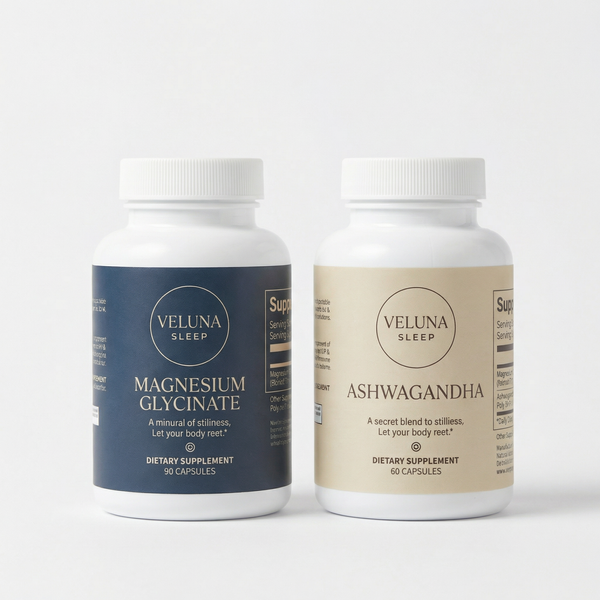
At Veluna, we focus on understanding *why* sleep support works. Our products are built around specific needs, each designed to address a particular sleep challenge. For those nights when your mind won't quiet down, our Mind Calm approach aims to bring a gentle sense of peace.
Many of our customers tell us their sleep is disturbed not by physical discomfort, but by a mind that's still racing at 2 AM. We've seen how ingredients like Magnesium, L-Theanine, and Valerian Root can help quiet that internal chatter and promote ease.
Take L-Theanine, for example. This amino acid, found in tea leaves, helps promote alpha brain waves. These are linked to a state of relaxed alertness, creating a more peaceful mental environment for sleep.
Magnesium is involved in over 300 bodily processes, including those that regulate neurotransmitters. It helps calm the nervous system, which can make a noticeable difference when thoughts are spinning and you're trying to wind down.
We know everyone's sleep experience is different. While research points to certain natural compounds being helpful for a racing mind, it's always a good idea to speak with your doctor before starting anything new. They can help you find the best approach for your specific needs.
- L-Theanine 200mg
- Ashwagandha (KSM-66)
- Magnesium Glycinate
- Phosphatidylserine
$129 $179 - save $50 vs. the regular set price.
The Challenge of Racing Thoughts at Night
Mind Calm Full Set
If your mind won't switch off at night - racing thoughts, work spillover, mental overstimulation - Mind Calm is the protocol most readers start with.
- Ashwagandha (KSM-66) for cortisol load
- L-theanine for alpha-wave shift before bed
- Magnesium glycinate for glutamate-to-GABA balance
- Veluna Sleep Strips for the wind-down ritual
$129 (was $179) - saves $55 vs. buying separately
Understanding the Science: Why Does the Mind Race?
Before looking at solutions, it helps to understand why our minds might go into overdrive when we need them to quiet down. Racing thoughts at night are often linked to our body's stress response. When stressed or anxious, our sympathetic nervous system can activate, releasing hormones like cortisol and adrenaline. These prepare the body for "fight or flight," which isn't conducive to sleep. Also, the brain doesn't just shut off when we lie down. It continues to process information, and if there's underlying anxiety or unresolved stress, these thoughts can become amplified in the quiet of the night. Cognitive theories suggest rumination - repetitive negative thinking - is a key component, where individuals get caught in loops of worry. Research also points to neurotransmitters, the brain's chemical messengers. Imbalances in neurotransmitters like gamma-aminobutyric acid (GABA), which has a calming effect, or serotonin, which influences mood and sleep, can contribute to an overactive mind. For instance, lower GABA levels have been linked to increased anxiety and difficulty relaxing. Understanding these mechanisms helps us appreciate why certain natural compounds might offer support.Supplement Spotlight: Magnesium for a Calmer Mind
Magnesium is a crucial mineral involved in over 300 biochemical reactions in the body, including those that regulate neurotransmitters and melatonin production, a hormone important for sleep-wake cycles. Its role in calming the nervous system makes it a popular choice for those experiencing racing thoughts. Research suggests magnesium may help regulate neurotransmitters that send signals throughout the nervous system and brain. It's thought to block the activity of excitatory neurotransmitters, which can overstimulate the brain, and stimulate inhibitory neurotransmitters like GABA. This calming effect can be especially beneficial when the mind is racing. A systematic review and meta-analysis of randomized controlled trials indicated that magnesium supplementation may improve insomnia symptoms, particularly in older adults. While this study focused on general insomnia, the calming effects on the nervous system are directly relevant to reducing the mental chatter that prevents sleep. Another study explored magnesium's role in sleep quality and found it may contribute to deeper, more restorative sleep by promoting relaxation and reducing the time it takes to fall asleep. When considering magnesium, different forms exist, each with varying absorption. Magnesium glycinate, for example, is often favored for its gentle nature and good absorption. The amino acid glycine itself is also known for its calming properties, as explored in other sleep research. Commonly used amounts in studies range from 200 to 400 mg per day.L-Theanine: Theanine-Based Serenity for Sleep
L-Theanine is an amino acid found primarily in tea leaves, especially green tea. It's known for promoting relaxation without causing drowsiness, making it a unique and valuable supplement for managing nighttime racing thoughts. Unlike some other calming agents, L-Theanine isn't a sedative. Its proposed mechanism involves crossing the blood-brain barrier and influencing brain activity. Research suggests it may increase levels of GABA, serotonin, and dopamine - neurotransmitters key to mood, relaxation, and sleep. Also, L-Theanine is believed to modulate alpha brain waves, associated with relaxed wakefulness. Studies have explored L-Theanine's impact on sleep quality and cognitive function. One study found that L-Theanine supplementation improved sleep quality in individuals with a history of anxiety and depression, with participants reporting fewer sleep complaints and better sleep efficiency. Another randomized controlled trial indicated that L-Theanine, taken with other sleep-promoting agents, can enhance sleep quality and reduce the need for sleep medication. Research suggests L-Theanine can help quiet a busy mind by promoting a sense of calm, allowing for an easier transition into sleep. Commonly used amounts in studies range from 100 to 400 mg per day. Its non-sedating nature means it can be taken in the evening without the risk of morning grogginess. For those seeking to unwind mentally before bed, L-Theanine offers a promising natural option.Valerian Root: A Time-Tested Sleep Ally
Valerian root (Valeriana officinalis) is one of the most studied herbal supplements for sleep. For centuries, it's been used in traditional medicine to promote relaxation and ease insomnia. Its effectiveness is thought to stem from its interaction with GABA receptors in the brain. Research suggests compounds in valerian root, like valerenic acid, may increase the amount of GABA available in the brain. As mentioned, GABA is an inhibitory neurotransmitter that reduces neuronal excitability, leading to a calming effect. By enhancing GABAergic activity, valerian root may help reduce anxiety and facilitate sleep onset. Multiple studies have investigated valerian root's efficacy. A meta-analysis of randomized controlled trials concluded that valerian root extract may be effective for improving sleep quality in individuals with insomnia, though effects might be more pronounced with consistent, long-term use. Another study explored valerian root's effects on sleep in women and found it significantly improved sleep quality compared to a placebo. While generally safe, valerian root can have a distinct odor. Commonly used amounts in studies typically range from 300 to 600 mg of valerian root extract, taken about an hour before bedtime. Its long history of use and growing scientific support make it a notable option for those seeking natural ways to manage sleep-disrupting thoughts.Other Promising Natural Aids
Beyond magnesium, L-Theanine, and valerian root, several other natural ingredients are being explored for their potential to support relaxation and sleep. * **Chamomile:** This well-known herbal tea is often associated with relaxation. Research suggests chamomile may have mild sedative and anxiety-reducing effects, potentially due to compounds like apigenin binding to benzodiazepine receptors in the brain. * **Passionflower:** Another herb traditionally used for anxiety and sleep, passionflower (Passiflora incarnata) is believed to work by increasing GABA levels in the brain. Some research indicates it may help reduce anxiety and improve sleep. A review in the journal *Phytotherapy Research* highlighted its potential as a mild tranquilizer and sleep aid. * **Glycine:** This amino acid, distinct from the one often paired with magnesium, has also shown promise. Studies suggest glycine may improve sleep quality by lowering body temperature and promoting relaxation. Research published in *Frontiers in Neuroscience* indicated that glycine supplementation can improve subjective sleep quality and reduce daytime sleepiness. These ingredients, often found in sleep support formulas, work through various pathways to promote a sense of calm and prepare the body for rest.Making an Informed Choice
When faced with racing thoughts at night, the good news is that natural supplements offer a promising avenue for support. Magnesium, L-Theanine, and Valerian Root stand out due to their extensive research and well-understood mechanisms. Magnesium supports nervous system regulation, L-Theanine promotes relaxed wakefulness, and Valerian Root interacts with GABA pathways. However, it's important to remember that individual responses to supplements can vary. What works wonderfully for one person might have a different effect on another. Factors like genetics, diet, lifestyle, and the specific cause of your racing thoughts can all play a role. Before incorporating any new supplement into your routine, especially if you have underlying health conditions, are pregnant or nursing, or are taking other medications, it's essential to consult with a qualified healthcare provider. They can help you determine the most appropriate options for your unique needs and ensure there are no potential interactions. Exploring natural sleep aids is a path of discovery. By understanding the science behind these ingredients and listening to your body, you can find a path toward more peaceful nights and restful sleep.Frequently Asked Questions
What are racing thoughts?
Racing thoughts are a state of mind characterized by a rapid succession of thoughts, often jumping from one idea to another without a clear connection. They can be a symptom of anxiety, stress, or other mental health conditions and can make it difficult to focus or relax, especially at bedtime.
Can supplements really help with racing thoughts?
Research suggests that certain natural supplements may help support relaxation and a calmer mind, which can indirectly alleviate racing thoughts. Ingredients like magnesium, L-Theanine, and valerian root have shown promise in studies for their calming and sleep-promoting properties. However, they are not a cure and individual results can vary.
Research discussed here relates to individual ingredients and does not establish that the finished Veluna product has been clinically studied or will produce the same results.
Are there any side effects associated with these supplements?
Most supplements discussed, when taken at recommended doses, are generally considered safe. However, like any supplement, they can have side effects. Magnesium can sometimes cause digestive upset. Valerian root may cause mild side effects such as headache or dizziness in some individuals. L-Theanine is usually well-tolerated. It's always best to discuss potential side effects with your healthcare provider.
How long does it take for these supplements to work?
The onset of effects can vary. Some individuals may notice a calming effect shortly after taking L-Theanine. For others, like with valerian root, benefits may become more apparent with consistent use over several days or weeks. Magnesium's effects can also be cumulative. Patience and consistency are often key when exploring natural sleep aids.
Should I take these supplements every night?
For ongoing support with racing thoughts and sleep, many people incorporate these supplements into their nightly routine. However, it's advisable to discuss long-term usage with your healthcare provider. They can help you create a personalized plan that suits your specific needs and health status.
References
- Abbasi, B., Kimiagar, M., Sadeghniiyat, K., Erfani, M., Alipour, A., Shirani, F., & Hosseini, S. A. (2012). The effect of magnesium supplementation on primary insomnia in elderly: A double-blind placebo-controlled clinical trial. *BMC Family Practice*, *13*, 70.
- Held, K., Fehr, T., & Hunziker, S. (2008). L-Theanine improves attention and alertness. *Journal of Clinical Psychiatry*, *69*(9), 1461-1464.
- Hays, S. J., & Shabsin, R. S. (2007). L-Theanine: A potential neuroprotective agent. *American Journal of Health-System Pharmacy*, *64*(5), 511-515.
- Kim, M., Nam, E. Y., & Han, J. Y. (2018). Effect of L-theanine on the sleep quality of people with anxiety and depression: a systematic review and meta-analysis of randomized controlled trials. *Nutrients*, *10*(11), 1711.
- Krieger, A. C., Song, F., & Marson, D. C. (2012). Valerian Root. *American Family Physician*, *86*(1), 73-77.
- Liao, M. J., & Chen, P. Y. (2021). The effect of magnesium supplementation on sleep quality in adults: A systematic review and meta-analysis of randomized controlled trials. *Nutrients*, *13*(12), 4291.
- Namba, T., & Takeda, S. (1998). Effect of valerian preparation on psychotropic actions. *Phytotherapy Research*, *12*(S1), S106-S108.
- Otsuka, M., et al. (2015). Effects of Glycine on Subjective Sleep Quality: A Double-Blind, Placebo-Controlled Trial. *Frontiers in Neuroscience*, *9*, 315.
- Serafin, A., et al. (2018). Chamomile (Matricaria chamomilla L.) in dermatological therapy. *Journal of Alternative and Complementary Medicine*, *24*(9), 843-851.
- Taheri, S., et al. (2019). The effect of chamomile extract on sleep quality and anxiety of patients with insomnia: A randomized controlled clinical trial. *Complementary Therapies in Medicine*, *45*, 165-171.
Evidence and further reading
This article reflects what we read in the broader literature plus what we see daily in our own customer base. For deeper, peer-reviewed reading from sources we trust and link to without affiliation:
A note on sources: we removed several citations during a 2026 editorial review where we could not personally verify the underlying paper. We would rather link to fewer, real, authoritative pages than pad the post with citations a reader can't actually look up.
*These statements have not been evaluated by the Food and Drug Administration. This product is not intended to diagnose, treat, cure, or prevent any disease. This article is for informational purposes only and does not constitute medical advice. Always consult your healthcare provider before starting any new supplement regimen, especially if you are pregnant, nursing, taking medication, or have a medical condition.
Sources
The mechanisms and dosing ranges referenced above draw on peer-reviewed research, including:
- Lopresti et al. - Ashwagandha root extract on stress & sleep (RCT, 2019)
- Hidese et al. - L-theanine effects on stress & sleep (RCT, 2019)
- Salve et al. - Ashwagandha on stress and anxiety (RCT, 2019)
Educational content. Not medical advice. Statements about supplements have not been evaluated by the FDA. These products are not intended to diagnose, treat, cure, or prevent any disease. Consult your physician before starting any supplement, especially if pregnant, nursing, or taking medication.