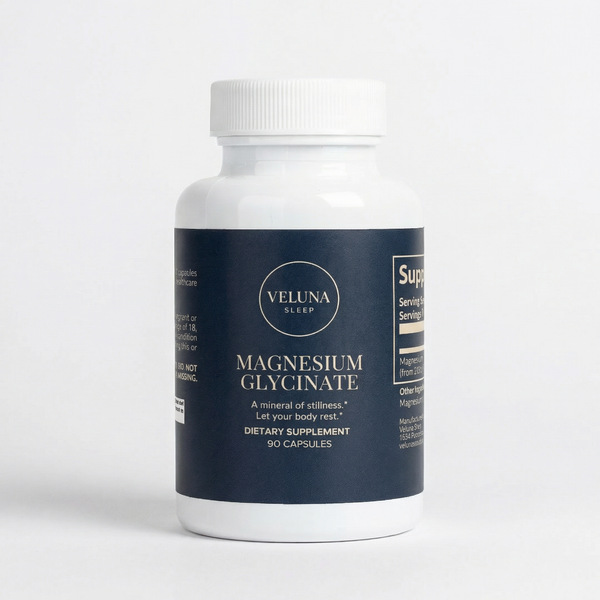
Navigating the landscape of magnesium supplements for sleep can feel overwhelming, with countless brands and forms vying for attention. While many products promise enhanced rest, the scientific evidence points to specific forms and dosages that are most effective. Magnesium glycinate, in particular, has garnered significant attention due to its unique properties that support relaxation and sleep quality, making it a preferred choice for many seeking natural sleep aids.
This guide delves into the science behind magnesium glycinate and its role in sleep, offering a clear, evidence-based framework for identifying the most suitable supplements. We will explore what makes magnesium glycinate stand out from other forms, discuss optimal dosages, and address common questions regarding its use, including interactions with other medications and supplements. Our aim is to empower you with the knowledge to make informed decisions about incorporating magnesium glycinate into your sleep wellness routine.
Understanding Magnesium's Role in Sleep
Magnesium is a vital mineral involved in over 300 biochemical reactions in the body, including those critical for sleep regulation. It plays a crucial role in the functioning of the neurotransmitter gamma-aminobutyric acid (GABA), which helps to calm nerve activity and promote relaxation. By binding to GABA receptors, magnesium can help to reduce neuronal excitability, leading to a sense of tranquility that is conducive to falling asleep.
Furthermore, magnesium influences the body's circadian rhythm, the internal clock that regulates sleep-wake cycles. It is involved in the regulation of melatonin, the hormone that signals to the body that it is time to sleep. Adequate magnesium levels can support a healthy melatonin production and release, helping to synchronize the body's natural sleep-wake patterns. Research published in the Journal of Clinical Sleep Medicine has highlighted the association between magnesium deficiency and sleep disturbances, suggesting that supplementation may be beneficial for individuals experiencing insomnia or poor sleep quality.
Why Magnesium Glycinate for Sleep?
Among the various forms of magnesium supplements available, magnesium glycinate (also known as magnesium bisglycinate) is often considered the superior choice for sleep and relaxation. This is primarily due to its excellent bioavailability and its gentle nature on the digestive system. Unlike some other forms of magnesium, such as magnesium oxide, which can cause gastrointestinal upset like diarrhea, magnesium glycinate is chelated with glycine, an amino acid that aids in its absorption and also possesses its own calming properties.
Glycine itself has been studied for its potential to improve sleep quality. A 2015 study in Frontiers in Neurology found that glycine supplementation before bedtime helped participants fall asleep faster and experience less daytime sleepiness. The combination of magnesium's inherent sleep-promoting effects with glycine's sedative qualities makes magnesium glycinate a potent and well-tolerated option for enhancing sleep. This synergistic effect is a key reason why it is frequently recommended by sleep specialists and functional medicine practitioners.
The Importance of Elemental Magnesium Dosage
When selecting a magnesium glycinate supplement, understanding the concept of "elemental magnesium" is paramount. The Supplement Facts panel on a product will list the total amount of the magnesium compound (e.g., 1,000 mg of magnesium glycinate), but only a portion of this is the actual magnesium mineral. The rest is the glycinate molecule. For sleep, the target is the elemental magnesium content, which is what the body utilizes.
For most adults seeking to improve sleep, a daily intake of 100–200 mg of elemental magnesium is generally considered effective. This dosage range is often sufficient to elicit calming effects and support sleep regulation without causing adverse reactions. It's important to note that individual needs can vary, and consulting with a healthcare professional can help determine the optimal dosage for your specific situation. A 2017 guideline from the American Academy of Sleep Medicine (AASM) suggests that magnesium supplementation might be considered as an adjunct therapy for insomnia, underscoring the importance of appropriate dosing.
Evaluating Magnesium Glycinate Brands and Quality
The question of "Which brand of magnesium glycinate is best for sleep?" or "Which company's magnesium glycinate is best?" often arises. While specific brand recommendations can be subjective and change with product formulations, the focus should be on the quality and purity of the supplement rather than just the brand name. Look for brands that clearly disclose the elemental magnesium content per serving and provide transparency about their manufacturing practices.
Third-party testing by reputable organizations such as NSF International, USP, or ConsumerLab.com is a crucial indicator of a supplement's quality and integrity. These certifications ensure that the product contains what it claims on the label and is free from contaminants like heavy metals and microbes. When comparing products, pay close attention to the ingredient list. Opt for supplements with minimal additional ingredients, avoiding unnecessary fillers, artificial colors, or flavors. Some brands, like Doctor's Best, offer high absorption magnesium glycinate lysinate, combining glycinate with lysine for potentially enhanced absorption, although the primary benefit for sleep still stems from the glycinate form.
Magnesium Glycinate and Interactions: GLP-1 and NAC
For individuals managing specific health conditions or taking certain medications, understanding potential interactions is vital. A common question is: "Can I take magnesium glycinate while on GLP-1?" GLP-1 receptor agonists, used for diabetes and weight management, can sometimes affect gastrointestinal motility. While magnesium glycinate is generally well-tolerated, any significant changes in bowel habits or absorption should be discussed with a healthcare provider. Magnesium can impact absorption of certain medications, so timing is often key, and it's prudent to consult with your prescribing physician.
Another frequently asked question is: "Can I take NAC with magnesium glycinate?" N-acetylcysteine (NAC) is an antioxidant and mucolytic agent. There is no known significant contraindication between NAC and magnesium glycinate. Both are generally considered safe when taken separately. However, as with any supplement regimen, especially if you have underlying health conditions or are taking multiple medications, it is always advisable to discuss potential interactions with your healthcare provider. They can assess your individual needs and ensure that your supplement choices align with your overall health plan.
Magnesium and Proton Pump Inhibitors (PPIs)
Individuals taking proton pump inhibitors (PPIs) for acid reflux or related conditions often wonder: "Should you take magnesium if you take PPI?" PPIs work by reducing stomach acid production, which can, over time, interfere with the absorption of certain minerals, including magnesium. Long-term PPI use has been associated with hypomagnesemia (low magnesium levels).
For this reason, healthcare providers may recommend magnesium supplementation for individuals on chronic PPI therapy. Magnesium glycinate, due to its good absorption, can be a suitable option. However, it is crucial for individuals taking PPIs to monitor their magnesium levels and discuss supplementation with their doctor. Your physician can advise on the appropriate form and dosage of magnesium, as well as monitor for any signs of low magnesium or potential interactions with your PPI medication.
Potential Downsides of Magnesium Glycinate
While magnesium glycinate is celebrated for its gentle profile, it's important to acknowledge potential downsides. The primary concern, though less common than with other forms, is gastrointestinal distress. Some individuals may still experience mild digestive upset, such as loose stools, especially at higher doses. This is often a sign that the body is not tolerating the current dosage well, and a reduction in intake is recommended.
Another consideration is the potential for interaction with certain medications. While magnesium glycinate is generally safe, it can affect the absorption of some antibiotics (like tetracyclines and quinolones) and bisphosphonates (used for osteoporosis). It's advisable to take magnesium at least two hours apart from these types of medications. Furthermore, while rare, excessive magnesium intake can lead to magnesium toxicity, characterized by symptoms such as nausea, vomiting, low blood pressure, and muscle weakness. Sticking to recommended dosages and consulting with a healthcare provider mitigates these risks.
Magnesium Lysinate Glycinate: A Closer Look
You may encounter supplements labeled as "magnesium lysinate glycinate" or "magnesium bisglycinate lysine." This refers to a form of magnesium where the mineral is bound to both glycine and lysine. Both glycine and lysine are amino acids that can enhance the absorption of magnesium. The inclusion of lysine, in addition to glycine, is intended to further improve the bioavailability of magnesium, making it potentially more effective at raising magnesium levels in the body.
For sleep, the benefits would primarily stem from the magnesium itself, enhanced by the calming properties of glycine and potentially improved absorption from lysine. Brands like Doctor's Best offer "Magnesium Glycinate Lysinate" which highlights this dual-amino acid chelation. When considering this form, the same principles of elemental magnesium dosage and third-party testing apply. The addition of lysine is generally considered safe and may offer a slight advantage in terms of absorption efficiency for some individuals.
FAQ: Your Magnesium Glycinate Questions Answered
Which brand of magnesium glycinate is best for sleep?
The "best" brand is subjective and depends on individual needs and preferences. Focus on brands that offer high-quality, pure magnesium glycinate with transparent labeling of elemental magnesium content. Prioritize products that undergo third-party testing for purity and potency. Look for minimal additional ingredients and avoid proprietary blends. While specific brands like Doctor's Best are popular, the quality of the magnesium glycinate itself and its dosage are more critical than the brand name alone.
Can I take magnesium glycinate while on GLP-1?
It is generally considered safe to take magnesium glycinate while on GLP-1 medications, but it is essential to consult with your healthcare provider. GLP-1s can affect gastrointestinal function, and magnesium can also influence it. Your doctor can advise on the best timing and dosage to avoid potential digestive issues or absorption interference with your medication.
Can I take NAC with magnesium glycinate?
Yes, there are typically no known contraindications to taking N-acetylcysteine (NAC) and magnesium glycinate together. Both supplements are generally well-tolerated. However, if you have any underlying health conditions or are taking other medications, it is always prudent to discuss your supplement regimen with your healthcare provider to ensure optimal safety and efficacy.
Should you take magnesium if you take PPI?
Yes, individuals taking proton pump inhibitors (PPIs) long-term may benefit from magnesium supplementation. PPIs can reduce stomach acid, which may impair magnesium absorption, potentially leading to low magnesium levels. Magnesium glycinate is a well-absorbed form. However, it is crucial to consult with your doctor before starting magnesium supplementation, as they can monitor your magnesium levels and advise on the appropriate dosage and form.
What is the downside of magnesium glycinate?
The primary downside, though uncommon, is potential gastrointestinal discomfort, such as mild loose stools, especially at higher doses. It can also interact with the absorption of certain medications, including some antibiotics and bisphosphonates, requiring careful timing of doses. Magnesium toxicity is rare but possible with excessive intake.
Which company's magnesium glycinate is best?
Instead of focusing on a single "best" company, prioritize companies that demonstrate a commitment to quality, transparency, and third-party testing. Look for clear labeling of elemental magnesium, a clean ingredient list, and certifications from reputable organizations. Researching reviews and looking for brands that emphasize purity and bioavailability, such as those offering chelated forms like magnesium glycinate or magnesium lysinate glycinate, can guide your choice.
When seeking to enhance your sleep, the form and quality of your magnesium supplement are paramount. Magnesium glycinate stands out for its superior bioavailability and calming properties, making it an excellent choice for promoting relaxation and improving sleep quality. By understanding the science behind magnesium's role in sleep, paying close attention to elemental magnesium dosage, and prioritizing transparent, third-party tested brands, you can make an informed decision about the best magnesium glycinate supplement for your needs. Remember to consult with a healthcare professional for personalized advice, especially if you have underlying health conditions or are taking medications.
Explore Veluna's Sleep Solutions: