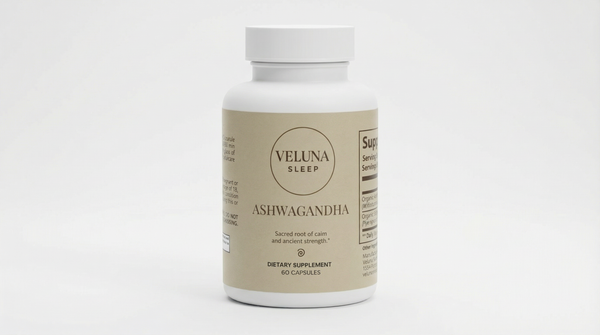
Ashwagandha and valerian root are two of the most widely researched and utilized adaptogenic and nervine herbs, respectively, for managing anxiety and promoting relaxation. While both are sought after for their calming properties, they operate through distinct mechanisms and offer different primary benefits. Ashwagandha, an adaptogen originating from Ayurvedic medicine, is primarily known for its ability to help the body manage stress by modulating the hypothalamic-pituitary-adrenal (HPA) axis, thereby reducing cortisol levels. This makes it particularly effective for chronic stress and the associated feelings of overwhelm.
Valerian root, on the other hand, is a traditional European herb classified as a nervine, which means it directly influences the nervous system to induce calm and facilitate sleep. Its primary mechanism involves interacting with gamma-aminobutyric acid (GABA) receptors in the brain, enhancing the inhibitory neurotransmitter's effects to reduce neuronal excitability. This makes valerian root generally more potent for acute anxiety and insomnia, offering a more immediate sedative effect compared to ashwagandha's stress-adaptation approach. The choice between them often hinges on whether the individual is primarily seeking stress resilience or immediate calming and sleep support.
Quick Verdict
For immediate anxiety relief and improved sleep onset, valerian root is generally considered more potent due to its direct impact on GABA receptors. Ashwagandha excels in managing chronic stress and building long-term resilience, making it a better choice for ongoing stress adaptation rather than acute panic.
Side-by-Side Comparison
| Feature | Ashwagandha (Withania somnifera) | Valerian Root (Valeriana officinalis) |
|---|---|---|
| Mechanism of Action | Adaptogenic: Modulates HPA axis, reduces cortisol, anti-inflammatory. | Nervine: Enhances GABAergic activity, interacts with GABA receptors, mild sedative. |
| Primary Benefit | Stress resilience, mood stabilization, chronic stress management. | Anxiety reduction, sleep promotion, nervous system calming. |
| Onset of Action | Weeks to months for full effect. | 30 minutes to 2 hours for noticeable effects. |
| Bioavailability | Variable, often enhanced with piperine or lipid-based formulations. | Moderate, efficacy can be influenced by preparation method. |
| Typical Dose (Anxiety/Stress) | 300-600 mg standardized extract (e.g., 2.5-5% withanolides) daily. | 300-600 mg standardized extract (e.g., 0.8% valerenic acids) 30-60 mins before bed or as needed. |
| Best Use Case | Long-term stress management, feeling overwhelmed, general mood support. | Acute anxiety, difficulty falling asleep, nervous tension. |
| Common Side Effects | Generally well-tolerated; mild digestive upset, drowsiness in some. | Drowsiness, dizziness, headache, digestive upset; potential for paradoxical excitation. |
| Cost | Moderate to high, depending on standardization and brand. | Low to moderate, widely available. |
How Each One Works
Ashwagandha
Ashwagandha, scientifically known as Withania somnifera, is a cornerstone of Ayurvedic medicine, revered for its adaptogenic properties. Adaptogens are a class of herbs that help the body adapt to and resist physical, chemical, and biological stressors. Ashwagandha's primary mechanism of action involves its influence on the hypothalamic-pituitary-adrenal (HPA) axis, the body's central stress response system. By modulating this axis, ashwagandha helps to regulate the release of stress hormones, most notably cortisol. Chronic stress leads to persistently elevated cortisol levels, which can have detrimental effects on physical and mental health, including increased anxiety, impaired cognitive function, and weakened immunity.
Studies indicate that ashwagandha can significantly reduce serum cortisol levels in individuals experiencing chronic stress. This reduction in cortisol is associated with a decrease in subjective feelings of stress, anxiety, and tension. Furthermore, ashwagandha contains bioactive compounds called withanolides, which possess anti-inflammatory and antioxidant properties, contributing to its overall protective effects on the body. Its impact on the HPA axis means that ashwagandha doesn't typically produce immediate sedative effects but rather works to build resilience and balance over time, making it an excellent choice for managing the day-to-day pressures of modern life and supporting overall well-being. For those seeking a sustained approach to managing stress and its impact on mood and sleep, ashwagandha offers a compelling solution.
Valerian Root
Valerian root, derived from the plant Valeriana officinalis, has a long history of use in traditional European medicine as a sedative and anxiolytic agent. Unlike ashwagandha, which focuses on stress adaptation, valerian root primarily acts on the central nervous system to promote relaxation and facilitate sleep. Its principal mechanism involves interacting with the gamma-aminobutyric acid (GABA) system. GABA is a major inhibitory neurotransmitter in the brain, meaning it reduces neuronal excitability. Valerian root is believed to enhance the effects of GABA by increasing its release from nerve endings and potentially by binding to GABA receptors directly or indirectly, thereby promoting a calming effect.
This enhanced GABAergic activity leads to a reduction in neural activity, which can alleviate feelings of anxiety, nervousness, and restlessness. The sedative properties of valerian root are particularly beneficial for individuals struggling with insomnia or difficulty falling asleep due to anxious thoughts. Research suggests that valerian root can shorten sleep latency (the time it takes to fall asleep) and improve sleep quality. While it can offer a more immediate sense of calm compared to ashwagandha, its effects are generally considered mild to moderate, and it is often recommended for short-term use to manage acute anxiety or sleep disturbances. The downside of valerian root can include daytime grogginess if taken in higher doses or too close to waking, and its distinct, often described as unpleasant, odor.
Which Should You Choose?
- If you experience chronic stress, feelings of overwhelm, and need to build long-term resilience, choose ashwagandha.
- If you struggle with acute anxiety, have difficulty falling asleep due to racing thoughts, or need immediate calming, choose valerian root.
- If your primary concern is improving sleep quality and reducing sleep latency, valerian root is typically more direct.
- If you are looking for a supplement to help your body adapt to various stressors and improve overall mood stability, ashwagandha is often preferred.
- If you are sensitive to sedatives or prefer a non-sedating approach to stress management, ashwagandha might be a better starting point.
- If you are seeking a herb with a long history of traditional use specifically for nervous tension and sleep, valerian root is a well-established option.
What the Research Says
The scientific literature provides substantial support for the anxiolytic and sleep-promoting properties of both ashwagandha and valerian root, though their efficacy is often linked to different applications and target populations. A significant study published in the journal *Cureus* in 2019 reviewed several clinical trials on ashwagandha and found consistent evidence for its efficacy in reducing stress and anxiety symptoms. Participants taking standardized ashwagandha extracts reported significant improvements in perceived stress, fatigue, and overall quality of life compared to placebo groups. This aligns with its adaptogenic function, helping the body manage the physiological and psychological effects of chronic stress.
Valerian root has also been extensively studied for its effects on sleep and anxiety. A meta-analysis published in *Sleep Medicine Reviews* in 2010 examined multiple randomized controlled trials and concluded that valerian root preparations may improve sleep quality and reduce the time it takes to fall asleep, although the quality of evidence varied across studies. The proposed mechanism involves its interaction with GABA receptors, as supported by preclinical research. The National Institutes of Health (NIH) Office of Dietary Supplements (ODS) fact sheet on Valerian notes its traditional use for insomnia and anxiety, while also highlighting that more rigorous research is needed to confirm its effectiveness for specific conditions.
Regarding direct comparisons, a study in the *Journal of Alternative and Complementary Medicine* (2016) investigated the effects of both herbs on anxiety and sleep in students during exam periods. While both groups showed some improvement, the study suggested that valerian root might offer more immediate relief for sleep disturbances related to acute stress, whereas ashwagandha could provide more sustained benefits for overall stress adaptation. It is important to note that the effectiveness of these herbs can depend on the specific extract used, dosage, and individual physiological responses. For instance, a 2022 trial in the *Journal of Ethnopharmacology* explored the synergistic effects of ashwagandha and other herbs for anxiety, indicating that combination therapies might offer broader benefits, though this requires further investigation. The American Academy of Sleep Medicine (AASM) guidelines, while not directly endorsing specific herbs, emphasize evidence-based treatments for insomnia and sleep disorders, underscoring the need for robust clinical data when considering herbal interventions.
Veluna's Take
At Veluna Sleep, we prioritize ingredients backed by robust scientific evidence for their effectiveness in promoting restful sleep and managing stress. While both ashwagandha and valerian root offer valuable benefits, our formulation philosophy leans towards ingredients that provide a comprehensive approach to sleep and relaxation. For foundational stress management and building resilience against daily pressures, ashwagandha's adaptogenic properties are highly valued. Its ability to modulate cortisol and support the body's natural stress response makes it an excellent component for long-term well-being, which is intrinsically linked to sleep quality. We believe that addressing the root causes of stress is crucial for achieving sustainable sleep improvements. For individuals seeking to enhance their stress resilience and promote a calmer state of mind, our Mind Calm Starter Set incorporates thoughtfully selected ingredients that work synergistically to support nervous system balance and reduce feelings of anxiety.
While valerian root is recognized for its more immediate sedative effects and utility for acute sleep onset issues, we often recommend a multi-faceted approach that includes lifestyle adjustments alongside targeted supplementation. For those looking to deepen their understanding of how to cultivate better sleep habits, exploring resources on sleep hygiene is paramount. Our approach focuses on creating an environment where the body and mind are best prepared for restorative sleep, and this often involves managing underlying stress and anxiety effectively. By focusing on adaptogenic herbs like ashwagandha, we aim to provide a sustained, foundational support system for individuals navigating the complexities of stress and its impact on their sleep and overall health.
FAQ
Q: Which is better for anxiety, ashwagandha or valerian?
A: For chronic stress and building long-term resilience, ashwagandha is often considered better due to its adaptogenic properties that help regulate cortisol. For acute anxiety and immediate calming, valerian root may be more effective due to its direct impact on GABA receptors, promoting relaxation and sleep.
Q: Can ashwagandha lower TSH levels?
A: Some research suggests that ashwagandha may influence thyroid hormone levels. A study published in the *Indian Journal of Endocrinology and Metabolism* in 2017 indicated that ashwagandha supplementation could increase TSH, T3, and T4 levels in subclinical hypothyroid patients. However, it's crucial to consult a healthcare professional, especially if you have pre-existing thyroid conditions, as the effects can vary.
Q: Is there anything better than ashwagandha for anxiety?
A: "Better" is subjective and depends on the type of anxiety and individual response. For immediate relief, valerian root or L-theanine (an amino acid found in green tea) are often cited. For generalized anxiety disorder and long-term stress management, ashwagandha is highly effective, but other adaptogens like Rhodiola rosea or medicinal mushrooms may also be beneficial. Consulting a healthcare provider can help determine the most suitable option.
Q: Can ashwagandha and valerian be taken together?
A: Yes, ashwagandha and valerian root can often be taken together. They work through different mechanisms: ashwagandha helps the body adapt to stress over time, while valerian root provides more immediate calming and sleep support. Combining them may offer a synergistic effect, addressing both chronic stress and acute anxiety or sleep difficulties. However, it's advisable to start with lower doses and consult with a healthcare professional, especially if you are taking other medications or have underlying health conditions, to avoid potential additive sedative effects or interactions.
Q: What is the strongest anti-anxiety herb?
A: There isn't a single herb universally recognized as the "strongest" anti-anxiety herb, as effectiveness varies greatly among individuals and depends on the type of anxiety. However, herbs like Kava (Piper methysticum) are often cited for potent anxiolytic effects, though it carries potential liver toxicity risks and is not recommended for long-term use without medical supervision. Valerian root, Passionflower, and Ashwagandha are also considered strong contenders for managing different facets of anxiety, with better safety profiles for general use.
Q: What is the downside of valerian root?
A: The primary downside of valerian root is its potential for causing drowsiness, dizziness, and headache, especially when taken in higher doses or close to waking time. Some individuals may experience gastrointestinal upset or, rarely, a paradoxical excitatory effect. Additionally, valerian root has a distinct, strong odor that many find unpleasant, and its long-term safety and efficacy for chronic anxiety are not as extensively documented as some other herbs. It can also interact with certain medications, including sedatives and alcohol.