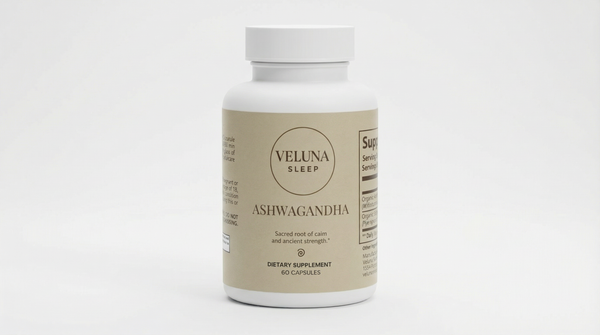
Navigating the landscape of sleep-supportive supplements can feel complex, especially when faced with popular options like ashwagandha and L-theanine. Both are frequently cited for their potential to improve sleep, but their mechanisms of action and optimal use cases differ significantly. Understanding these differences is crucial for selecting the supplement that best aligns with your specific sleep challenges and overall wellness goals. This guide will delve into the scientific evidence behind ashwagandha and L-theanine, offering a clear comparison to help you make an informed choice for better rest.
While both compounds are lauded for their calming effects, their primary pathways to promoting sleep are distinct. Ashwagandha, an adaptogenic herb, focuses on modulating the body's stress response, which can indirectly but profoundly impact sleep. L-theanine, an amino acid found in tea leaves, primarily influences brain wave activity to promote relaxation and a state conducive to sleep. This article will explore how each works, their respective benefits, potential side effects, and when each might be the more appropriate choice, or if combining them could be beneficial.
Understanding Ashwagandha's Role in Sleep
Ashwagandha (Withania somnifera) is a cornerstone of Ayurvedic medicine, revered for its adaptogenic properties. Adaptogens are a class of herbs and natural substances that help the body adapt to and resist stressors, whether physical, chemical, or biological. For sleep, ashwagandha's primary mechanism involves its impact on the hypothalamic-pituitary-adrenal (HPA) axis, the body's central stress response system. By helping to regulate the release of cortisol, the primary stress hormone, ashwagandha can mitigate the physiological arousal that often interferes with falling asleep and staying asleep.
Clinical trials have demonstrated ashwagandha's efficacy in improving sleep quality and reducing sleep latency, particularly in individuals experiencing chronic stress and insomnia. A study published in the Journal of Ethnopharmacology found that participants taking ashwagandha reported significant improvements in sleep quality, sleep duration, and reduced anxiety levels compared to a placebo group [1]. This effect is attributed not only to cortisol reduction but also to ashwagandha's potential to increase GABA (gamma-aminobutyric acid) levels. GABA is an inhibitory neurotransmitter that plays a critical role in calming the nervous system and promoting relaxation, directly counteracting the excitatory signals that can keep one awake.
The Science Behind L-Theanine and Sleep
L-theanine is an amino acid predominantly found in tea leaves, particularly green tea. Unlike many other calming agents, L-theanine is known for its ability to promote relaxation without inducing drowsiness. Its primary mechanism of action involves increasing alpha brain wave activity. Alpha waves are associated with a state of relaxed wakefulness, similar to that experienced during meditation or light relaxation. This increase in alpha waves can help quiet the mind, reduce mental chatter, and foster a sense of calm, making it easier to transition into sleep.
Research, including studies highlighted in journals like Nutrients, suggests that L-theanine can positively influence sleep quality by reducing anxiety and improving sleep efficiency. A 2019 review in Nutrients noted that L-theanine supplementation could lead to better sleep quality, particularly in individuals who experience stress or anxiety [2]. While L-theanine doesn't directly sedate, its ability to create a more tranquil mental state can significantly improve the overall sleep experience. It may also influence neurotransmitters such as dopamine and serotonin, which are involved in mood regulation and sleep-wake cycles.
Direct Comparison: Ashwagandha vs. L-Theanine for Sleep
When directly comparing ashwagandha and L-theanine for sleep, the choice often hinges on the root cause of sleep disturbance. Ashwagandha is generally more suited for individuals whose sleep issues are deeply intertwined with chronic stress, anxiety, and burnout. Its adaptogenic nature helps the body build resilience to stress over time, leading to more profound and lasting improvements in sleep quality. The effect of ashwagandha is typically cumulative, meaning its benefits become more apparent with consistent daily use over several weeks.
L-theanine, on the other hand, often provides a more immediate sense of calm. It is an excellent option for those who experience racing thoughts or feel mentally agitated before bed, and it can be taken closer to bedtime for a quicker effect. While it can improve sleep quality by reducing anxiety, its primary strength lies in promoting a relaxed state rather than directly addressing the physiological stress response that ashwagandha targets. Therefore, L-theanine might be preferred for occasional sleep disruptions due to acute stress or when a gentle, non-sedating relaxation is desired.
When to Choose Ashwagandha
Ashwagandha is an exceptional choice for individuals struggling with insomnia that stems from prolonged periods of stress, anxiety, or feeling overwhelmed. If you often lie awake at night with a mind that won't switch off due to worries or a general sense of being "on edge," ashwagandha's stress-reducing capabilities can be highly beneficial. Its adaptogenic properties help to rebalance the body's stress response system, which can be chronically dysregulated in individuals experiencing burnout.
The benefits of ashwagandha for sleep are often observed after consistent daily intake. Studies, such as a notable trial in Sleep Medicine, have shown significant improvements in sleep parameters, including reduced sleep latency and increased total sleep time, with regular ashwagandha use [6]. It is particularly effective for those whose sleep is disrupted by elevated cortisol levels. For individuals experiencing significant fatigue and a feeling of depletion due to chronic stress, ashwagandha can support a return to a more balanced state, thereby facilitating restorative sleep. This makes it a powerful tool for long-term stress management and sleep improvement.
When to Choose L-Theanine
L-theanine is an excellent option for those seeking a gentle, non-sedating way to relax before sleep, particularly if their sleep difficulties are characterized by mental restlessness or an inability to quiet the mind. If you find yourself easily agitated, prone to worrying, or experiencing a sense of overwhelm that prevents you from winding down, L-theanine can help promote a state of calm alertness conducive to sleep. It is also a good choice for individuals who want to improve their sleep quality without feeling groggy the next day.
The relatively rapid onset of action of L-theanine makes it suitable for use shortly before bedtime. While not a sedative, its ability to increase alpha brain waves can help ease the transition from wakefulness to sleep. This makes it a valuable supplement for individuals who struggle with the initial phase of falling asleep. Furthermore, L-theanine's safety profile and lack of significant side effects at typical doses make it an attractive option for many. It is particularly useful for those who experience mild to moderate anxiety that interferes with their ability to relax and prepare for sleep.
Can Ashwagandha and L-Theanine Be Taken Together?
Yes, ashwagandha and L-theanine can often be taken together, and in some cases, this combination may offer synergistic benefits for sleep and stress management. Ashwagandha addresses the physiological stress response and cortisol levels, promoting long-term resilience, while L-theanine provides immediate mental calm and relaxation. By combining these two, one can potentially benefit from both the grounding, stress-reducing effects of ashwagandha and the immediate, mind-quieting effects of L-theanine.
This dual approach can be particularly effective for individuals experiencing significant stress that manifests both physiologically and mentally. For instance, someone dealing with chronic work-related stress might find that ashwagandha helps their body cope with the ongoing pressure, while L-theanine helps them unwind in the evening. The typical recommendation for taking ashwagandha and L-theanine together would involve taking ashwagandha consistently in the morning or evening, and L-theanine closer to bedtime or during periods of acute stress. It is advisable to start with lower doses of each and monitor your body's response.
Dosage and Side Effects Considerations
For ashwagandha, typical dosages range from 300 mg to 600 mg of standardized extract per day, often divided into two doses. It is generally well-tolerated, but potential side effects can include mild gastrointestinal upset, drowsiness, or, in rare cases, diarrhea. Individuals with certain autoimmune conditions, thyroid disorders, or those taking immunosuppressant medications should consult a healthcare professional before use, as ashwagandha may interact with these conditions or medications [4].
L-theanine dosages typically range from 100 mg to 400 mg per day. It is generally considered very safe, with few reported side effects. At higher doses, some individuals might experience mild headaches, dizziness, or gastrointestinal discomfort. There are generally no significant concerns about taking L-theanine with GLP-1 medications, as it does not directly affect blood sugar levels or metabolism in a way that would typically contraindicate its use. However, as with any supplement, consulting with a healthcare provider is always recommended, especially if you have pre-existing health conditions or are taking other medications.
Special Populations: Schizophrenia and Supplement Use
For individuals diagnosed with schizophrenia, the use of supplements like ashwagandha and L-theanine requires careful consideration and professional medical guidance. While some preliminary research explores the potential benefits of certain natural compounds in managing psychiatric conditions, definitive conclusions are often lacking, and the risk of interactions or adverse effects is a primary concern. It is imperative that any individual with schizophrenia consult their psychiatrist or mental health provider before starting any new supplement regimen.
Regarding L-theanine, some studies have explored its potential adjunctive role in managing symptoms of schizophrenia, suggesting it might help reduce anxiety and improve negative symptoms in some individuals when used alongside conventional antipsychotic medications [5]. However, this research is preliminary, and L-theanine should not be considered a standalone treatment. Similarly, ashwagandha's effects on the central nervous system mean its use in individuals with schizophrenia needs thorough evaluation by a medical professional. There are no established guidelines recommending ashwagandha for schizophrenia, and potential interactions with psychotropic medications are a significant concern that must be addressed by a qualified healthcare provider.
FAQ: Your Questions Answered
Which is better for sleep, ashwagandha or L-theanine?
The "better" supplement depends on your specific sleep challenges. Ashwagandha is generally more effective for sleep disturbances rooted in chronic stress and anxiety, working to rebalance the body's stress response. L-theanine is better for promoting immediate relaxation and quieting a racing mind, aiding in the transition to sleep without causing drowsiness. For many, a combination may offer comprehensive benefits.
Can I take L-theanine with GLP-1?
Generally, L-theanine is considered safe to take alongside GLP-1 medications. L-theanine primarily affects neurotransmitter activity and brain wave patterns, and it does not typically interact with the metabolic or hormonal pathways targeted by GLP-1 agonists. However, it is always prudent to discuss any new supplement with your prescribing physician to ensure there are no individual contraindications.
Can people with schizophrenia take L-theanine?
While some research suggests L-theanine might have adjunctive benefits for certain symptoms in schizophrenia when used under medical supervision, it is not a recommended treatment on its own. Individuals with schizophrenia must consult their psychiatrist or mental health professional before taking L-theanine due to potential interactions with antipsychotic medications and the need for careful symptom management.
Can people with schizophrenia take ashwagandha?
There is no established recommendation for ashwagandha use in individuals with schizophrenia. Ashwagandha can affect the central nervous system and interact with various bodily systems. Due to the complexity of schizophrenia and its treatment, any consideration of ashwagandha must be discussed thoroughly with a qualified healthcare provider, such as a psychiatrist, to assess potential risks and benefits.
Is there a downside to L-theanine?
L-theanine is generally considered very safe with few side effects at recommended doses. The most common potential downsides are mild gastrointestinal upset or headaches at very high doses, which are uncommon. Unlike some sedatives, it does not typically cause next-day grogginess. The primary concern would be if it masks underlying issues that require medical attention.
What does Taylor Swift take for anxiety?
Celebrity supplement regimens are rarely disclosed publicly and can vary widely. While many individuals, including public figures, may explore various natural remedies for anxiety, there is no publicly confirmed information about specific supplements like ashwagandha or L-theanine that Taylor Swift uses for anxiety. Personal approaches to anxiety management are diverse and often involve a combination of lifestyle, therapy, and sometimes, supplements, but specific details are typically private.
Choosing between ashwagandha and L-theanine, or deciding to combine them, depends on your individual needs and the root cause of your sleep challenges. If stress is your primary obstacle, ashwagandha's adaptogenic qualities may offer a more sustained benefit. For immediate, gentle relaxation to quiet your mind before sleep, L-theanine is often a more direct solution. Explore our Veluna Sleep Formula, which thoughtfully combines ingredients to support your sleep cycle, and consider supplementing with Magnesium Glycinate for additional relaxation benefits. For a holistic approach, dive deeper into establishing healthy habits with our comprehensive guide on sleep hygiene.
Recommended Veluna products for this topic:
- Veluna Ashwagandha — KSM-66 ashwagandha for stress recovery.