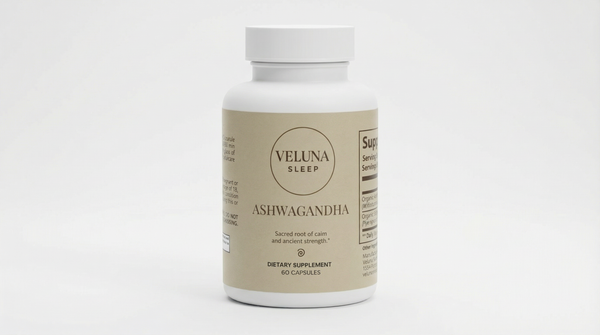
When considering natural approaches to managing anxiety, both ashwagandha and gamma-aminobutyric acid (GABA) are frequently discussed. While both aim to promote relaxation and reduce feelings of stress, they operate through distinct mechanisms and offer different benefits. Ashwagandha is an adaptogenic herb, meaning it helps the body adapt to stress by modulating the stress response system, primarily by lowering cortisol levels. Its effects are often more systemic and build over time, contributing to a general sense of well-being and resilience.
GABA, on the other hand, is a neurotransmitter that naturally occurs in the brain. It acts as the primary inhibitory neurotransmitter, meaning it reduces neuronal excitability throughout the nervous system. When GABA binds to its receptors, it has a calming effect, slowing down nerve activity and promoting relaxation. While ashwagandha can influence GABA levels indirectly, supplemental GABA aims to directly increase the availability of this calming neurotransmitter in the brain, potentially offering a more immediate, targeted effect on anxiety symptoms.
Quick Verdict
For immediate anxiety relief and a direct calming effect, supplemental GABA is often preferred due to its neurotransmitter function. For long-term stress management and improved resilience, ashwagandha's adaptogenic properties are more beneficial. The choice depends on whether you need rapid symptom reduction or sustained stress adaptation.
Side-by-Side Comparison
| Feature | Ashwagandha (Withania somnifera) | GABA (Gamma-Aminobutyric Acid) |
|---|---|---|
| Mechanism | Adaptogenic; modulates stress response, lowers cortisol, may indirectly influence GABA receptors. | Directly binds to GABA receptors in the brain, acting as an inhibitory neurotransmitter. |
| Onset of Action | Weeks to months for full benefits, though some mild effects may be felt sooner. | Minutes to hours for noticeable effects. |
| Bioavailability | Variable; depends on extract standardization (e.g., withanolides). Oral absorption can be moderate. | Debated; oral GABA's ability to cross the blood-brain barrier is limited, though some studies suggest it may have peripheral effects or influence indirectly. |
| Typical Dose | 300-600 mg of standardized extract (e.g., 2.5-5% withanolides) daily. | 100-400 mg daily, often taken as needed or before bedtime. |
| Best Use Case | Chronic stress, anxiety, improving sleep quality, enhancing resilience, supporting mood. | Acute anxiety, situational stress, promoting relaxation before sleep, calming the nervous system. |
| Common Side Effects | Generally well-tolerated; mild digestive upset, drowsiness. Rare liver issues with very high doses or contamination. | Mild drowsiness, tingling sensations, or temporary gastrointestinal discomfort. |
| Cost | Moderate to high, depending on extract quality and brand. | Low to moderate, generally more affordable than standardized ashwagandha extracts. |
How Each One Works
Ashwagandha
Ashwagandha, scientifically known as Withania somnifera, is a revered herb in Ayurvedic medicine, traditionally used for its rejuvenating and adaptogenic properties. Its primary mode of action in managing anxiety and stress involves its ability to modulate the hypothalamic-pituitary-adrenal (HPA) axis, the body's central stress response system. By influencing the HPA axis, ashwagandha helps to reduce the production of stress hormones, most notably cortisol. Elevated cortisol levels are linked to chronic stress, anxiety, sleep disturbances, and a host of other health issues. By lowering these levels, ashwagandha promotes a state of calm and resilience, making the body less reactive to stressors.
Furthermore, research suggests that ashwagandha may exert its anxiolytic effects by interacting with neurotransmitter systems in the brain. While it doesn't directly mimic GABA, it has been shown to enhance the activity of GABA receptors. This means ashwagandha can indirectly support the body's natural calming mechanisms by making existing GABA more effective. This dual action—reducing stress hormones and supporting neurotransmitter pathways—contributes to ashwagandha's reputation as a powerful tool for long-term stress management and improved overall mental well-being. Its effects are often cumulative, meaning consistent use is key to experiencing its full benefits, which can include improved sleep quality and reduced feelings of nervousness.
GABA
Gamma-aminobutyric acid (GABA) is the principal inhibitory neurotransmitter in the mammalian central nervous system. Its fundamental role is to decrease neuronal excitability throughout the nervous system, effectively acting as the brain's "brake." When GABA binds to its specific receptors (GABA-A and GABA-B), it opens chloride channels in neuronal membranes, allowing negatively charged chloride ions to enter the neuron. This influx of negative charge hyperpolarizes the neuron, making it less likely to fire an action potential. The net effect is a calming of neural activity, which translates to reduced feelings of anxiety, stress, and an overall sense of relaxation.
The effectiveness of supplemental GABA for anxiety is a subject of ongoing scientific discussion, largely due to questions surrounding its ability to cross the blood-brain barrier (BBB). The BBB is a highly selective barrier that protects the brain from circulating substances. While some studies suggest that orally ingested GABA may have limited direct access to the brain, it's hypothesized that it could exert calming effects through the enteric nervous system (the nervous system of the gut) or by indirectly influencing the brain via other pathways. Alternatively, it may act on GABA receptors located outside the BBB. Regardless of the precise mechanism, many individuals report experiencing subjective feelings of calmness and reduced anxiety shortly after taking GABA supplements, suggesting a tangible physiological response. This makes it a popular choice for acute anxiety relief and promoting sleep.
Which Should You Choose?
- If you are experiencing acute feelings of anxiety, nervousness, or situational stress and need rapid relief, consider GABA.
- If you are looking for a long-term solution to manage chronic stress, improve your body's resilience to daily pressures, and enhance overall mood, ashwagandha is likely a better choice.
- If you experience difficulty falling asleep due to racing thoughts or general tension, GABA might offer a more immediate calming effect to facilitate sleep onset.
- If your sleep issues are related to underlying stress and a dysregulated nervous system, ashwagandha's adaptogenic properties could provide a more sustainable solution for better sleep quality over time.
- If you are seeking to support your body's natural calming neurotransmitters without directly supplementing them, ashwagandha's indirect influence on GABA pathways may be appealing.
- If you are concerned about the blood-brain barrier and want a more direct neurological effect on calming, GABA is often considered for this purpose, despite scientific debate.
What the Research Says
The scientific literature provides a growing body of evidence supporting the efficacy of both ashwagandha and GABA for anxiety and stress management, albeit through different pathways. A notable study published in the journal Cureus in 2020 investigated the effects of ashwagandha extract on chronic stress and anxiety in adults. The findings indicated significant reductions in perceived stress and anxiety scores, along with improvements in well-being, compared to a placebo group. This aligns with ashwagandha's role as an adaptogen, helping individuals cope more effectively with daily stressors. The research often points to ashwagandha's ability to normalize cortisol levels, a key indicator of the body's stress response, as a primary mechanism of its benefit.
Regarding GABA, its direct impact on anxiety is more complex due to the blood-brain barrier. However, a systematic review and meta-analysis published in 2019 in Brain Research Bulletin explored the effects of oral GABA supplementation on the central nervous system. While acknowledging the debate about BBB penetration, the review noted that some studies demonstrated anxiolytic effects and changes in brain wave activity (e.g., increased alpha waves, associated with relaxation) following GABA intake. This suggests that even if direct brain penetration is limited, GABA may still exert beneficial effects, potentially through the gut-brain axis or by modulating peripheral GABA receptors. The National Institutes of Health (NIH) Office of Dietary Supplements fact sheet on GABA highlights its role as a neurotransmitter but also notes the ongoing research into the efficacy of oral supplementation for specific conditions.
Further supporting ashwagandha's broad impact on well-being, a randomized, double-blind, placebo-controlled trial published in JAMA Psychiatry in 2019 examined the efficacy of ashwagandha in individuals with chronic anxiety disorders. The study reported significant improvements in anxiety symptoms, sleep quality, and overall quality of life in the ashwagandha group compared to placebo. This trial underscores ashwagandha's potential as a therapeutic agent for more generalized anxiety conditions. In contrast, while GABA is often touted for its rapid calming effects, robust clinical trials specifically demonstrating its efficacy for generalized anxiety disorder through direct central nervous system action are less common, with much of the evidence being anecdotal or based on studies with methodological limitations regarding BBB transport.
When considering their interaction, ashwagandha can stimulate GABAergic pathways, effectively enhancing the body's natural calming system. This means that while you can technically take them together, ashwagandha might be working to boost your own GABA production or receptor sensitivity, potentially making supplemental GABA less necessary or more potent when combined. The American Academy of Sleep Medicine (AASM) guidelines, while not directly comparing these two, emphasize the importance of addressing underlying stress and promoting relaxation for better sleep, areas where both ashwagandha and GABA aim to contribute, but through distinct pathways and with different temporal effects. For a comprehensive approach to sleep hygiene, exploring practices beyond supplements can also be highly beneficial; consider visiting our guide on sleep hygiene habits.
Veluna's Take
At Veluna, we prioritize evidence-based ingredients that offer tangible benefits for sleep and stress management. While we acknowledge the potential for GABA to provide acute calming effects, our formulation philosophy leans towards ingredients that support the body's natural resilience and long-term stress adaptation. Ashwagandha's adaptogenic properties, its demonstrated ability to lower cortisol levels, and its indirect support of GABAergic pathways make it a superior choice for individuals seeking sustained relief from the pervasive effects of chronic stress, which often underlies sleep disturbances and anxiety.
Our Mind Calm Starter Set incorporates ashwagandha as a key ingredient precisely because of its comprehensive approach to stress reduction. It works with your body to build resilience, calm the nervous system, and promote a more balanced emotional state, which are foundational for achieving restorative sleep and overall well-being. By addressing the root causes of stress and anxiety, ashwagandha helps to create an internal environment conducive to better sleep, rather than offering a temporary fix.
FAQ
Can you use GABA and ashwagandha together?
Yes, it is generally considered safe to use GABA and ashwagandha together. Ashwagandha may enhance the activity of GABA receptors, potentially amplifying the calming effects of GABA. However, some individuals might find that ashwagandha alone is sufficient for their needs, or they may prefer to use them at different times of the day depending on their specific goals (e.g., GABA for immediate relaxation before bed, ashwagandha for daily stress management).
Should I take GABA if I have anxiety?
GABA can be a useful tool for managing anxiety, particularly for acute or situational stress. Its role as an inhibitory neurotransmitter helps to calm the nervous system, potentially reducing feelings of nervousness and promoting relaxation. Many people report experiencing a noticeable calming effect after taking GABA. However, its effectiveness can vary, and for chronic or severe anxiety, it's advisable to consult with a healthcare professional.
Is there anything better than ashwagandha for anxiety?
The "best" option for anxiety is highly individual and depends on the type and severity of anxiety, as well as personal response. While ashwagandha is highly effective for many due to its adaptogenic and cortisol-lowering properties, other natural compounds like L-theanine (found in green tea) or magnesium may also offer significant benefits for anxiety. Prescription medications are also available for more severe conditions. It's often a process of finding what works best for your specific needs, potentially in consultation with a healthcare provider.
Does ashwagandha stimulate GABA?
Ashwagandha does not directly stimulate GABA production in the same way that a GABA supplement directly introduces GABA. Instead, research suggests that ashwagandha may enhance the efficacy of GABA by interacting with GABA receptors in the brain. This means it can make the body's own naturally produced GABA more effective at calming the nervous system. So, it influences GABAergic pathways indirectly rather than acting as a direct stimulant.
What works better, GABA or ashwagandha?
For rapid, acute relief from feelings of anxiety or to promote immediate relaxation before sleep, GABA may work faster due to its direct neurotransmitter action. For long-term management of chronic stress, improving resilience, and supporting overall mood and sleep quality through sustained adaptation, ashwagandha is often considered more effective due to its adaptogenic properties and ability to modulate the stress response system over time.
What should you not mix GABA with?
GABA should generally be avoided or used with caution when combined with other central nervous system depressants, such as alcohol, benzodiazepines (e.g., Xanax, Valium), barbiturates, or strong sedatives. Combining GABA with these substances could lead to excessive drowsiness, sedation, and potentially dangerous respiratory depression. Always consult with a healthcare professional before mixing supplements with prescription medications or other substances.