Key Takeaways
✓ Ashwagandha is an adaptogen that may reduce stress and improve sleep quality, with studies showing benefits for both healthy individuals and those with insomnia [3, 10].
✓ Collagen is primarily known for supporting skin elasticity, joint health, and muscle recovery, but it doesn't directly induce sleepiness like some sleep aids.
✓ While ashwagandha has more direct evidence supporting its use as a sleep aid, collagen's benefits for overall wellness can indirectly contribute to better sleep by supporting physical comfort and reducing aches and pains.
Ashwagandha and Collagen: Which Supplement Is Right for Your Needs?
In your quest for better sleep and overall wellness, you might have encountered ashwagandha and collagen. Both are popular supplements, but they offer very different benefits. Ashwagandha, an ancient herb, is celebrated for its stress-reducing and sleep-promoting properties. Collagen, a protein, is often associated with skin health, joint support, and muscle recovery. Understanding their unique mechanisms and benefits can help you decide which supplement—or perhaps both—is the right fit for your needs.
This article will provide a detailed comparison of ashwagandha and collagen, examining the research-backed benefits, appropriate dosages, and potential side effects of each. By the end, you'll have a clear understanding of how these supplements work and how they can contribute to your overall health and sleep quality.
Ashwagandha: An Ancient Remedy for Modern Stress
Ashwagandha (Withania somnifera) is an adaptogenic herb that has been used in traditional Ayurvedic medicine for centuries. Adaptogens are natural substances that help your body adapt to stress, whether it's physical, mental, or environmental. Ashwagandha is particularly well-known for its ability to reduce anxiety and improve sleep, making it a popular choice for those struggling with stress-related sleep disturbances [1, 4, 5]. You may also find glycine compared with ashwagandha to determine the best sleep aid for your needs.
Benefits of Ashwagandha
- Stress Reduction: Ashwagandha has been shown to reduce cortisol levels, the hormone associated with stress. Several studies indicate that ashwagandha can significantly lower perceived stress levels in adults [10].
- Improved Sleep Quality: Research suggests that ashwagandha can improve sleep quality by promoting relaxation and reducing anxiety. A meta-analysis of multiple studies found that ashwagandha extract had a positive effect on sleep in both healthy individuals and those with insomnia [1].
- Cognitive Function: Some studies suggest that ashwagandha can enhance cognitive functions, including memory and focus, particularly in individuals experiencing stress [9].
- Athletic Performance: Ashwagandha may improve physical performance by increasing muscle strength and endurance, making it a supplement of interest for athletes [6]. For athletes looking to improve sleep, there are expert-backed choices for sleep supplements.
Dosage and Safety
The typical dosage of ashwagandha ranges from 300 to 500 mg per day, usually taken in capsule or powder form. It's important to start with a lower dose and gradually increase it to assess your tolerance. While ashwagandha is generally considered safe, some people may experience mild side effects such as stomach upset, diarrhea, or drowsiness. It's also crucial to consult with a healthcare provider before taking ashwagandha, especially if you have any underlying health conditions or are taking medications [8].
Collagen: The Building Block for Overall Wellness
Collagen is the most abundant protein in your body, providing structure and support to your skin, bones, tendons, ligaments, and other connective tissues. As you age, your body produces less collagen, which can lead to wrinkles, joint pain, and decreased muscle mass. Supplementing with collagen can help replenish these levels and support overall wellness.
Benefits of Collagen
- Skin Health: Collagen is well-known for its ability to improve skin elasticity and hydration, reducing the appearance of wrinkles and promoting a youthful complexion.
- Joint Support: Collagen can help reduce joint pain and stiffness by supporting the cartilage that cushions your joints. This is particularly beneficial for individuals with osteoarthritis or those who engage in high-impact activities.
- Muscle Recovery: Collagen contains amino acids that are essential for muscle repair and growth, making it a valuable supplement for athletes and those looking to improve their physical performance.
- Gut Health: Some studies suggest that collagen can help support gut health by strengthening the lining of the digestive tract.
Dosage and Safety
The typical dosage of collagen ranges from 10 to 20 grams per day, usually taken in powder form. Collagen powder can be easily mixed into beverages, smoothies, or even baked goods. Collagen is generally considered safe, with few reported side effects. Some people may experience mild digestive issues, such as bloating or constipation. As with any supplement, it's best to consult with a healthcare provider before starting collagen, especially if you have any underlying health conditions.
Ashwagandha vs. Collagen: Head-to-Head Comparison
Now that you understand the individual benefits of ashwagandha and collagen, let's compare them head-to-head to help you determine which supplement is best suited for your needs. Here's a look at how they stack up:
| Factor | Ashwagandha | Collagen |
|---|---|---|
| Mechanism | Adaptogen that reduces stress and promotes relaxation | Protein that supports skin, joint, and muscle health |
| Best fit | Individuals seeking stress relief, improved sleep quality, and enhanced cognitive function | Individuals seeking to improve skin elasticity, joint health, muscle recovery, and gut health |
| Typical dosage | 300-500 mg per day | 10-20 grams per day |
| Main caution | May cause mild digestive upset or drowsiness in some individuals; consult with a healthcare provider if you have underlying health conditions | May cause mild digestive issues in some individuals; consult with a healthcare provider if you have underlying health conditions |
Key Differences
- Primary Benefits: Ashwagandha primarily targets stress reduction and sleep improvement, while collagen focuses on supporting the structural integrity of your body.
- Mechanism of Action: Ashwagandha works by modulating the body's stress response, while collagen provides the building blocks for tissues and organs.
- Target Audience: Ashwagandha is often favored by those experiencing anxiety, insomnia, or cognitive decline, while collagen is popular among those seeking to improve their skin, joints, or muscles.
Consider your individual needs and health goals when deciding between ashwagandha and collagen. If stress and sleep are your primary concerns, ashwagandha may be the better choice. If you're more focused on improving your skin, joints, and muscles, collagen may be more beneficial. You may find ashwagandha compared with magnesium glycinate helpful if sleep is your primary concern.
How Ashwagandha Impacts Sleep Quality
Ashwagandha's ability to improve sleep quality is one of its most sought-after benefits. The herb's adaptogenic properties help regulate the body's stress response, reducing levels of cortisol and promoting relaxation. This can be particularly helpful for those whose sleep is disrupted by stress and anxiety [10].
A study in the Journal of Ethnopharmacology found that ashwagandha root extract significantly improved sleep quality in both healthy volunteers and patients with insomnia (Langade, 2021). Participants reported falling asleep faster, experiencing fewer awakenings during the night, and feeling more refreshed in the morning [3]. Another study published in PLoS One also supports these findings, noting that ashwagandha extract had a positive effect on sleep [1].
Furthermore, ashwagandha may help improve sleep by increasing levels of gamma-aminobutyric acid (GABA), a neurotransmitter that promotes relaxation and reduces anxiety. By enhancing GABA activity in the brain, ashwagandha can help calm the mind and prepare the body for sleep [4, 5]. For those looking for non-prescription strategies to improve sleep, ashwagandha can be a valuable addition to your routine.
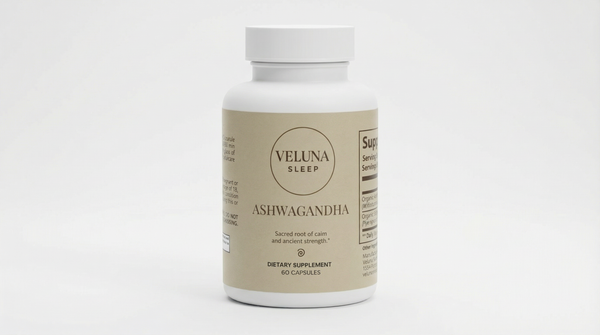
If you're considering adding ashwagandha to your sleep routine, Veluna Ashwagandha offers a high-quality supplement designed to support relaxation and improve sleep quality.
How Collagen Contributes to Overall Wellness and Indirectly Supports Sleep
While collagen doesn't directly induce sleepiness like ashwagandha, its contribution to overall wellness can indirectly support better sleep. By promoting healthy joints, muscles, and skin, collagen can help reduce physical discomfort and improve your overall sense of well-being.
Joint pain and stiffness can often disrupt sleep, making it difficult to fall asleep and stay asleep. Collagen's ability to support cartilage and reduce inflammation in the joints can alleviate these issues, allowing for more restful sleep. Additionally, collagen's role in muscle recovery can help reduce muscle soreness and stiffness, further contributing to physical comfort.
Moreover, collagen's benefits for skin health can indirectly improve sleep by boosting self-esteem and reducing anxiety related to appearance. Feeling confident and comfortable in your own skin can promote relaxation and reduce stress, making it easier to fall asleep. Some people may find ashwagandha compared with biotin more helpful if skin health is a concern.
For those looking to incorporate collagen into their wellness routine, Grass-Fed Collagen Peptides can provide a convenient and effective way to support your body's collagen levels.
Take our 60-second quiz to discover the science-backed sleep solution matched to your unique needs.
Take the QuizWhen to Seek Professional Help
While ashwagandha and collagen can be valuable supplements for improving sleep and overall wellness, it's important to recognize when professional help is necessary. If you're experiencing persistent sleep disturbances, severe anxiety, or chronic pain, it's crucial to consult with a healthcare provider. They can help identify any underlying medical conditions and recommend appropriate treatment options.
Additionally, if you're taking medications or have underlying health conditions, it's essential to consult with a healthcare provider before starting any new supplement regimen. They can help ensure that the supplements are safe for you and won't interact with any medications you're taking. Remember, supplements are not a substitute for medical care, and it's always best to seek professional guidance when needed.
The Bottom Line
Ashwagandha and collagen offer distinct benefits for sleep and overall wellness. Ashwagandha excels at reducing stress and improving sleep quality through its adaptogenic properties. Collagen, on the other hand, supports skin, joint, and muscle health, indirectly contributing to better sleep by promoting physical comfort. Your choice depends on your individual needs and priorities. If stress and sleep are your primary concerns, ashwagandha may be the better option. If you're more focused on improving your physical well-being, collagen may be more beneficial. Consider the pros and cons of each, and consult with a healthcare provider if needed.
Ultimately, both ashwagandha and collagen can be valuable additions to a holistic approach to health. By understanding their unique mechanisms and benefits, you can make an informed decision about which supplement is right for you.
Ready to find the right sleep ritual for your needs? Take Veluna's free 60-second quiz to get a personalized recommendation.
References
- Cheah KL, Norhayati MN, Husniati Yaacob L et al.. Effect of Ashwagandha (Withania somnifera) extract on sleep: A systematic review and meta-analysis. PloS one. 2021. PubMed
- Langade D, Thakare V, Kanchi S et al.. Clinical evaluation of the pharmacological impact of ashwagandha root extract on sleep in healthy volunteers and insomnia patients: A double-blind, randomized, parallel-group, placebo-controlled study. Journal of ethnopharmacology. 2021. PubMed
- Zhang W, Yan Y, Wu Y et al.. Medicinal herbs for the treatment of anxiety: A systematic review and network meta-analysis. Pharmacological research. 2022. PubMed
- Borrás S, Martínez-Solís I, Ríos JL. Medicinal Plants for Insomnia Related to Anxiety: An Updated Review. Planta medica. 2021. PubMed
- Salve J, Pate S, Debnath K et al.. Adaptogenic and Anxiolytic Effects of Ashwagandha Root Extract in Healthy Adults: A Double-blind, Randomized, Placebo-controlled Clinical Study. Cureus. 2019. PubMed
- Gopukumar K, Thanawala S, Somepalli V et al.. Efficacy and Safety of Ashwagandha Root Extract on Cognitive Functions in Healthy, Stressed Adults: A Randomized, Double-Blind, Placebo-Controlled Study. Evidence-based complementary and alternative medicine : eCAM. 2021. PubMed
Frequently Asked Questions
Yes, ashwagandha and collagen can generally be taken together. There are no known contraindications between the two supplements. However, it's always best to consult with a healthcare provider before starting any new supplement regimen, especially if you have underlying health conditions or are taking medications.
The time it takes for ashwagandha to start working for sleep can vary depending on the individual and the dosage. Some people may experience improvements in sleep quality within a few days, while others may need several weeks to notice a difference. Consistency is key, so it's important to take ashwagandha regularly and give it time to work.
While collagen is not primarily known for its anxiety-reducing properties, its benefits for overall wellness can indirectly help reduce anxiety. By supporting healthy joints, muscles, and skin, collagen can improve physical comfort and boost self-esteem, which can contribute to a greater sense of well-being. However, for direct anxiety relief, ashwagandha may be a more effective choice.
Ashwagandha is generally considered safe, but some people may experience mild side effects such as stomach upset, diarrhea, or drowsiness. In rare cases, it may also cause allergic reactions. It's important to start with a lower dose and gradually increase it to assess your tolerance. Consult with a healthcare provider before taking ashwagandha, especially if you have underlying health conditions or are taking medications.
Yes, it is generally safe to take collagen every day. Collagen is a natural protein that is found throughout the body and is generally well-tolerated. However, some people may experience mild digestive issues, such as bloating or constipation. As with any supplement, it's best to consult with a healthcare provider before starting collagen, especially if you have any underlying health conditions.